Wisconsin State Spotlight
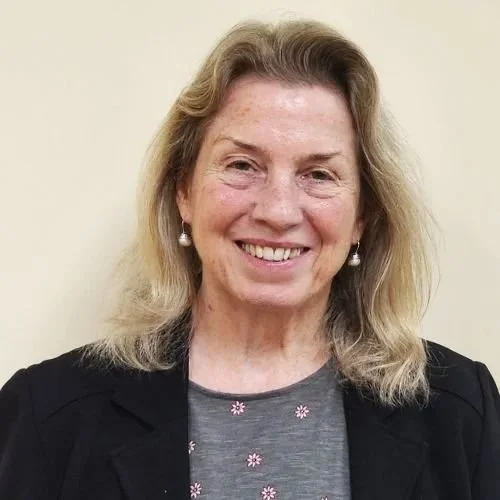
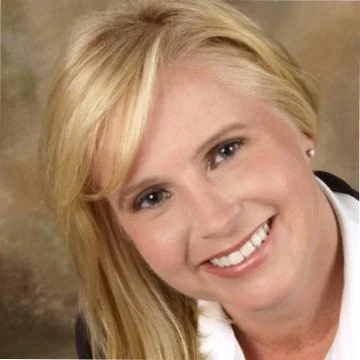
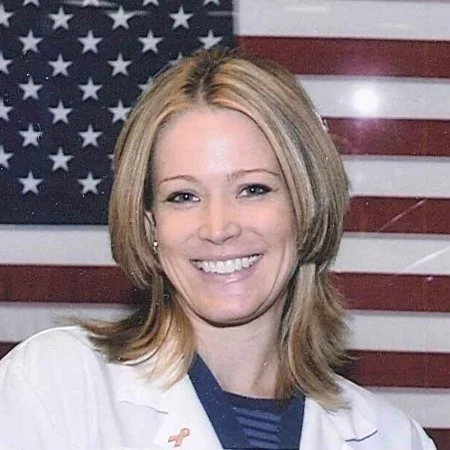
Speakers: Jennifer Naugle, Deputy Division Administrator, Wisconsin State Crime Laboratory
Nicole Roehm, Administrator, Division of Forensic Sciences, Wisconsin State
The Wisconsin Spotlight will highlight work of the Wisconsin State Crime Laboratories and its Submission Advisory Committee. The planning of the new Milwaukee Crime Laboratory will be discussed.
Missouri Board
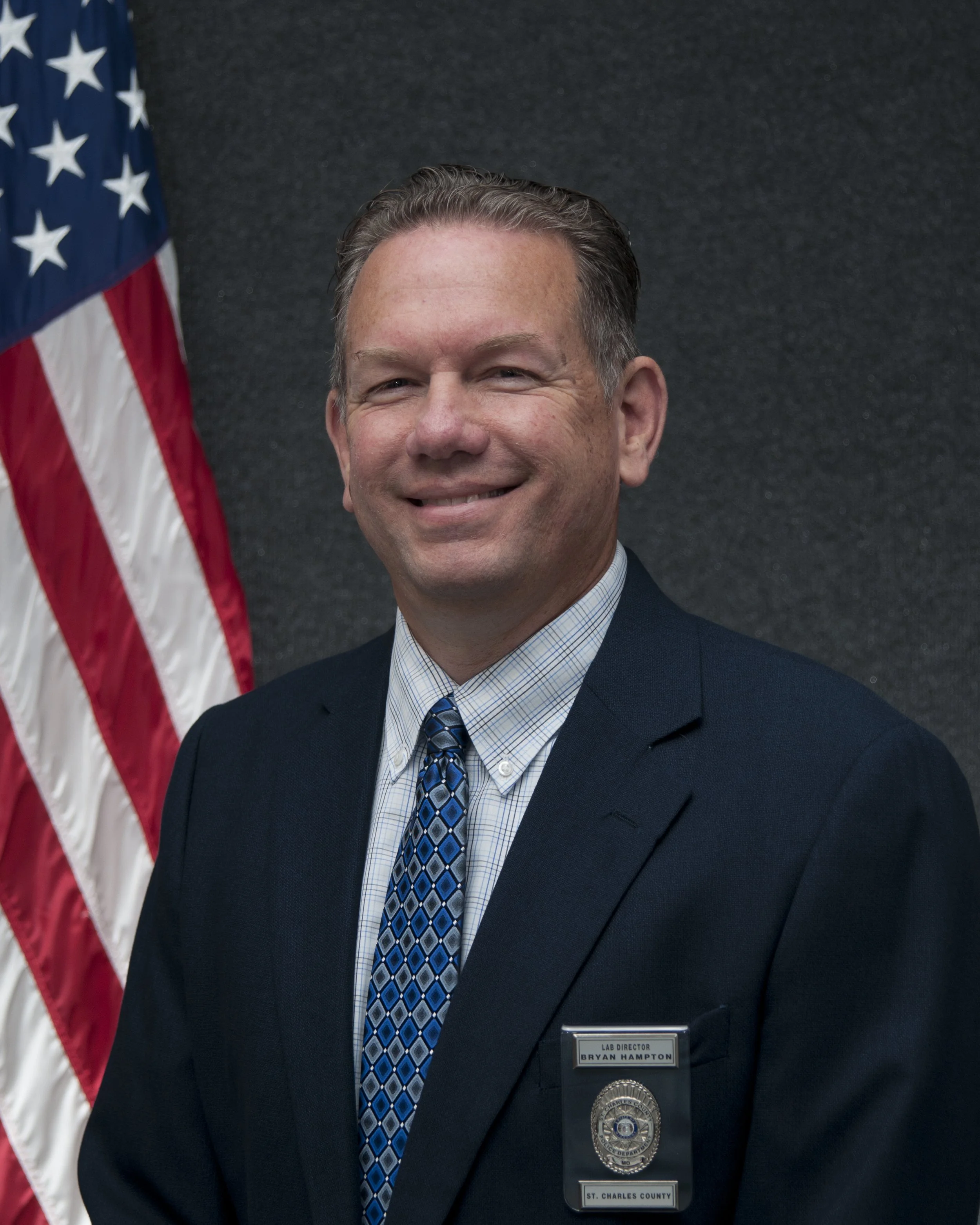
Speaker: Bryan Hampton, Laboratory Director at St. Charles County Police Department
Bryan Hampton, Chair of the Missouri Crime Laboratory Review Commission, will examine the Commission’s development since its creation in 2009 and its statutory role in independently reviewing publicly funded crime laboratories. He will discuss the Commission’s authority to assess laboratory capabilities, investigate allegations of serious negligence or misconduct, recommend corrective action, and advise state leaders on forensic-service needs. The presentation will also highlight recent activities involving complaint review, sexual-assault kit testing, coordination with new and existing laboratories, communication among laboratories and justice-system stakeholders, and the continuing need for resources to reduce backlogs and improve case triage.
ISO/TC 272 Quality Management and Conformity Assessment
Speakers: Alicia Carriquiry, Director, Center for Statistics and Applications in Forensic Evidence
Jeff Salyards, Senior Scientist with the Center for Statistics and Applications in Forensic Evidence
This Panel will discuss the work of the ISO Technical Committee 272 (ISO/TC 272 – Forensic Sciences) and the development of ISO standards specifically for forensic science. Its primary current work is the ISO 21043 series, which provides forensic-specific requirements and guidance for:
Vocabulary and terminology
Evidence collection and preservation
Forensic analysis
Interpretation of results
Reporting and testimony
Legal Standards: Smith v. Arizona 2
Speakers: Mike Varone, Forensic Services Staff Counsel, Massachusetts State Police Crime Laboratory
Amy Jenkins, Chief Deputy Director at Virginia Department of Forensic Science
Amy Watroba, Executive Director, Illinois Forensic Science Commission
This panel will examine the continuing impact of Smith v. Arizona forensic laboratory practice, expert testimony, and defendants’ confrontation rights. The discussion will address surrogate testimony, multi-analyst workflows, batch processing, the testimonial nature of laboratory records, and options when the original examiner is unavailable. Panelists will also consider how laboratories, legal counsel, and oversight boards can develop practical policies for reanalysis, testimony preparation, disclosure, and quality assurance while maintaining scientific integrity and manageable laboratory operations.
Firearms and Toolmark Standard Operating Procedures
Speakers: Henry Swofford, Lead Scientist, Forensic Science Research Program NIST
In recent years, the validity and reliability of firearm and toolmark comparisons have been challenged in certain criminal cases. To address some commonly voiced concerns, the Texas Forensic Science Commission and NIST’s Forensic Science Program have partnered to assist FATM examiners with providing more transparent reporting schemes including empirical data to support the validity and reliability of their examination results. The partnership has numerous aspects, including reviewing existing FATM comparison practices as documented in standard operating procedures, identifying factors that can impact performance and affect the reliability of FATM results, and implementing the use of a software application (the NIST-developed Validation Assessment Tool, or VAST) which allows users to assess and communicate performance information and associated limitations of FATM results relevant to the context of a particular criminal case. This presentation will also emphasize the value of state/federal collaboration.

Firearms Analyst Remediation
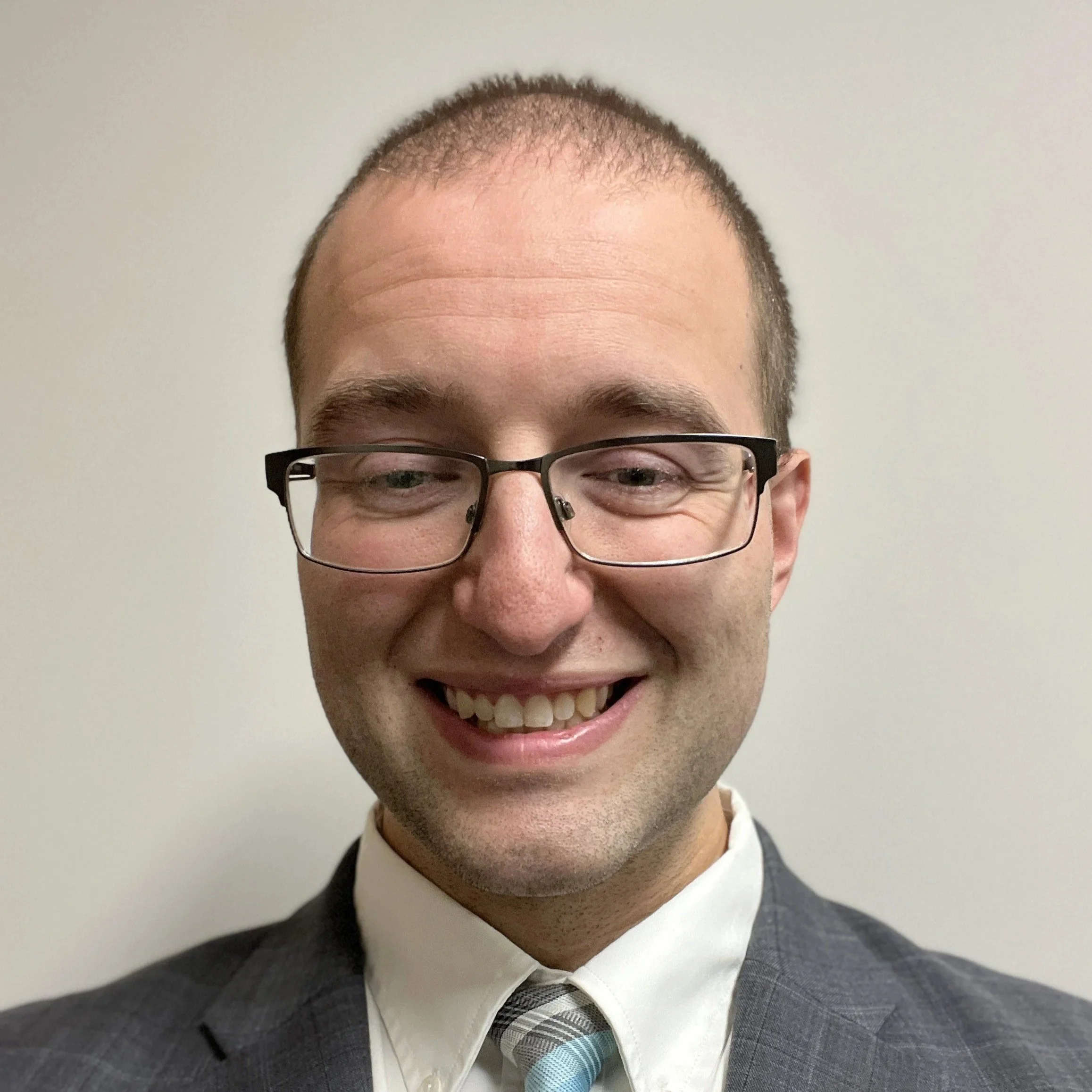
Speakers: Dennis Hilliard, Crime Lab Director, University of Rhode Island
In recent years, several public laboratories have suspended firearms-comparison work after false or unexpected results. In Rhode Island, a confirmed false-positive casework identification was shared by three examiners, and an independent review attributed the error to insufficient diligence and likely confirmation bias. Errors in Virginia’s Western Laboratory and the Wyoming State Crime Laboratory arose from proficiency testing. Both labs subsequently suspended or restricted comparison work, initiated corrective actions, and transferred or outsourced cases.
With the limited pool of available firearms examiners, it is difficult, if not impossible, to replace these examiners who are removed following misidentifications. This panel will examine whether there are remedial steps that could allow an examiner to retain their position and ability to testify.

Strengthening Forensic Science Quality Through State Led Implementation and Federal Support in US Crime Laboratories
Speakers: Mark Stolorow, Retired Federal Service and NIST
Dean Gialamas, Commanding Officer and Chief Information Officer,
Los Angeles Police Department’s Information Technology Bureau
Leigh Tomlin, Associate General Counsel at Texas Forensic Science Commission
Ken Melson, Retired Federal Service, Board member CFSO
Jennifer Naugle, Deputy Division Administrator, Wisconsin State Crime Laboratory
Over the past twenty years, our national forensic science history has provided the NAFSB ample evidence that the only long-term effective framework for improving the quality of forensic science in the United States is through leveraging state-led governance in partnership with federal support. The 2009 National Academy of Sciences (NAS) report, Strengthening Forensic Science in the United States: A Path Forward, identified serious deficiencies, including inconsistent standards, underfunding, uneven accreditation, and a lack of coordinated oversight. While the report prompted calls for national reform, it did not fully account for the operational reality that forensic science is primarily administered at the state and local level.
We are witnesses to the evolution of forensic science since 2009 of the inability of the federal government to be responsible on its own for overseeing the improvement of forensic science quality in the U.S. Accordingly, any effective reform effort must focus on a federalist approach, leveraging state sovereignty where forensic science is governed and implemented within states, while federal expertise, technology, and funding can support and promote scientific consistency and quality across jurisdictions.
AI in Forensic Evaluations: validation, benchmarking, interpretability
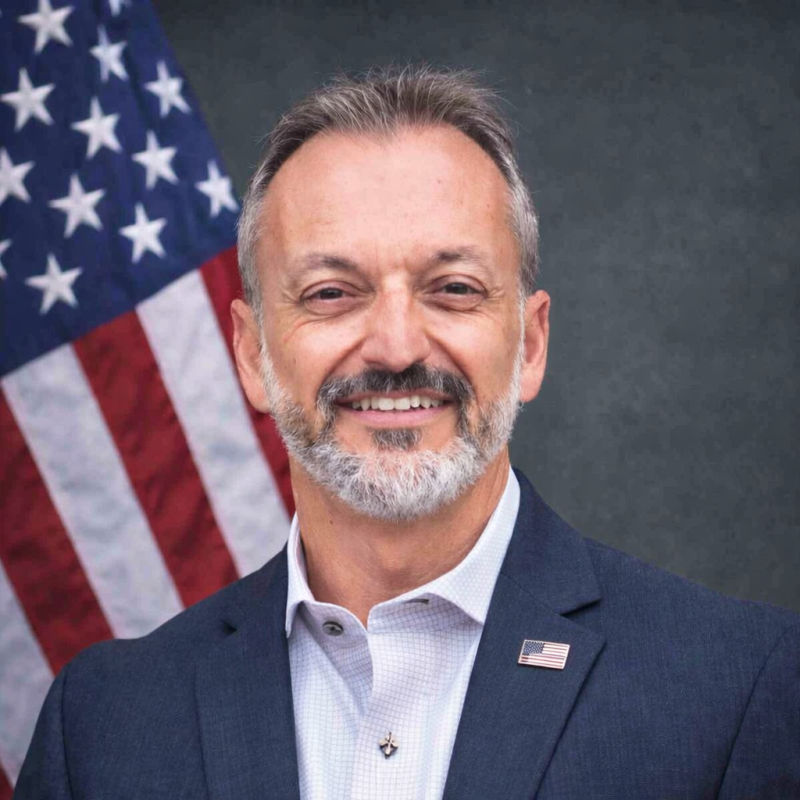
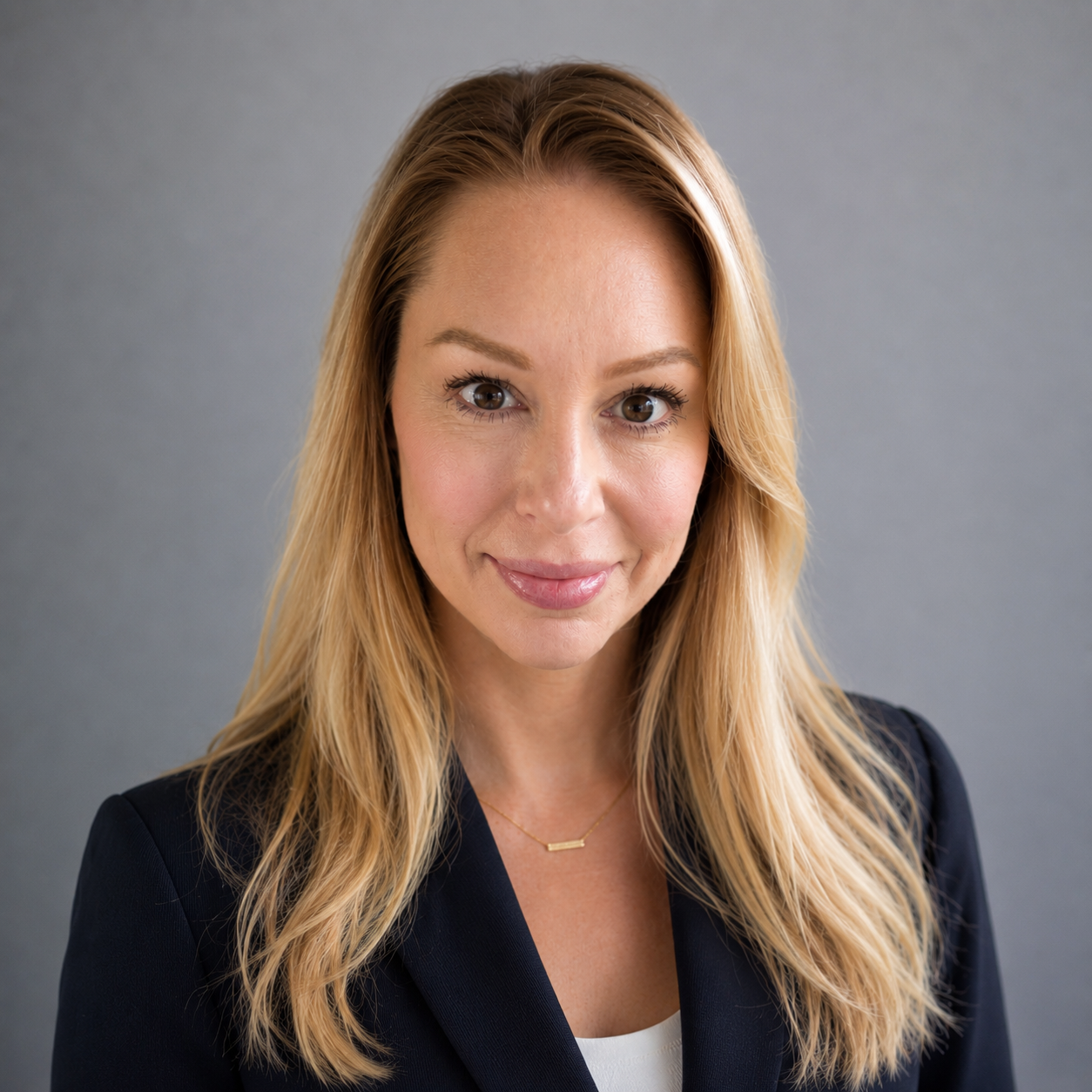
Speakers: Alicia Carriquiry, Director, Center for Statistics and Applications in Forensic Evidence
Jeff Salyards, Senior Scientist with the Center for Statistics and Applications in Forensic Evidence
Peter Stout, President Houston Forensic Science Center
The use of AI-driven technologies to aid forensic examiners in their evaluations is not yet prevalent, but it will not be long before this changes. Therefore, now is the time for State Forensic Boards to establish the criteria that AI-driven methods must meet before they are adopted by forensic providers. Method performance on benchmark databases and validation experiments, and the degree of interpretability and access to both the algorithm and the data on which they were tested are particularly relevant given that most of the methods proposed to date are either opaque, proprietary, or both.
Implementation of Rapid DNA for Crime Scenes
Speakers: Lynn Garcia, General Counsel, Texas Forensic Science Commission
Henry Swofford, Lead Scientist, Forensic Science Research Program NIST
In July 2026, Thermo Fisher Scientific announced NDIS approval for its Applied Biosystems™ RapidINTEL™ Plus Cartridge used with the Applied Biosystems™ RapidHIT ID™ System. The integration of Rapid DNA technology for crime scene samples has implications for both law enforcement and laboratories. The panel will discuss considerations that accompany the integration of the technology, as well as models for collaboration facilitated by state boards, commissions, and coordinating committees. A new tool developed by NIST (VAST) also will be presented which allows DNA analysts to understand the procedures and performance of Rapid DNA technologies compared to traditional methods
Panel Discussion of the NAFSB Senate—Funding the System
Speakers: Peter Stout, President Houston Forensic Science Center
Beth Lavach, Director of Government Relations CFSO
Forensic science service providers continue to face funding challenges in a dynamic environment with higher expectations and technological changes. Laboratories must pay for increasingly expensive information systems, the mandates inherent in more rigorous standards, and upgrades to aging analytical tools, to name just a few needs. This panel will discuss the current policy picture for forensic science funding and strategies the NAFSB, forensic science boards, and other forensic science organizations can use to advance forensic science effectively.
Project Foresight
Speakers: Max Houck, Director Forensic and Intelligence Services
Project FORESIGHT—a business benchmarking process for forensic service providers—was created in 2008 to collect and report data while offering improvement to processes through analysis, comparisons, and best practice evaluations. The program has grown to include more than 200 participating forensic laboratories worldwide. This panel will examine the current status of the program, including its implications for the support of forensic science at the national, state, and local levels. The anticipated transition to a subscription model and the role of forensic science boards in fostering support for and use of FORESIGHT will be discussed.
Complaints and Self-Disclosures
Speakers: Lynn Garcia, General Counsel, Texas Forensic Science Commission
Kerry Collins, Undersecretary of Forensic Science, Massachusetts
Forensic science boards field external complaints related to allegations of misconduct or serious negligence by forensic science service providers. The effective handling of these complaints requires the ba lancing of openness concerning the process and limited disclosure of deliberations to ensure fairness. Boards must ensure that complainants, forensic professionals, and other stakeholders are treated with respect while maintaining an objective, science-based approach to each matter. This panel will examine the experience of two states—Texas, where self-disclosures have become the primary initiator of commission review, and Massachusetts, where the board has necessarily been more reactive to external complaints. Their recent experiences related to DNA activity-level propositions will be examined.
DRAFT Agenda and Sessions:
October 13-15, Milwaukee Crime Lab
Special thanks to Wisconsin Department of Justice and the Milwaukee Crime Laboratory for hosting the conference.
And our Silver Sponsor Forensic Management Strategies for supporting NAFSB for a second year.
Click here for PDF of the agenda, including the schedule, conference descriptions, and biographies of speakers. All details remain subject to change.
Current Status of State Level Forensic Science Boards
Speaker: John Morgan, NAFSB Executive Committee
State forensic science boards continue to build a significant role in advancing quality, accountability, and collaboration across the criminal justice system. Drawing on a national review of advisory, oversight, and hybrid models, this presentation will compare how states address laboratory quality incidents, standards implementation, emerging technologies, training, transparency, and stakeholder engagement. The status and structure of each current board will be presented. Discussion will highlight successful initiatives, recurring challenges involving authority and resources, and practical lessons for strengthening existing boards or developing new ones.
Advancing Forensic Science: Reform, Quality and Transparency
Speaker: Lance Allen, Deputy Director of Forensic Services, Colorado Bureau of Investigation
Led by Lance Allen, this follow-up panel examines Colorado’s continuing response to misconduct by former Colorado Bureau of Investigation DNA analyst Yvonne “Missy” Woods, who altered or omitted testing information and failed to maintain complete case records. Panelists will discuss the review of affected cases, the operational and legal consequences of the misconduct, and reforms designed to strengthen quality assurance, transparency, organizational culture, and independent oversight of forensic services.
Research Partnerships: Collaboration with the Milwaukee Medical College on Biomechanics of Gunshot Wounds
Speakers: Jennifer Naugle, Deputy Division Administrator, Wisconsin State Crime Laboratory
Stephen Hargarten, Professor and Chair at Medical College of Wisconsin
Troy Chadwick, Firearms and Toolmark Examiner, Wisconsin
This panel will examine an innovative research partnership between the Wisconsin Department of Justice Division of Forensic Sciences and the Medical College of Wisconsin. Stephen Hargarten and Troy Chadwick will discuss experimental wound-ballistics research using high-speed video, pressure measurements, and validated ballistic gelatin to study how bullet mass, caliber, velocity, fragmentation, and energy transfer influence temporary-cavity formation and injury. The panel will demonstrate how collaboration among forensic scientists, engineers, physicians, and injury researchers can strengthen firearm-related research and provide useful information for forensic interpretation, trauma care, and injury-prevention policy.

Investigative Reviews
Speakers: Tebah Browne, Forensic Science Policy Specialist
Linda Freel, Forensic Science Policy Intern, Innocent Project
Peter Stout, President Houston Forensic Science Center
Alicia Carriquiry, Alicia Carriquiry, Director, Center for Statistics and Applications in Forensic Evidence
Amy Watroba, Executive Director, Illinois Forensic Science Commission
Jessica Goldthwaite, Staff Attorney in the DNA Unit of The Legal Aid Society of New York City
Investigative reviews of forensic laboratories are carried out to identify and examine quality concerns and issues, ranging from problems with a single examiner's work to systemic issues that call into question the quality and integrity of work performed in a specific discipline or across the lab as a whole. This session will examine how different forensic labs and medicolegal death investigation agencies conduct investigative reviews of quality issues, emphasizing essential elements of effective review processes and common principles that promote consistency and thoroughness. It will also feature an open discussion on the current and future roles of forensic science boards in overseeing and guiding investigative reviews.
OCME Collaboration
Speaker: Ann Marie Mires
Medical examiners and coroners operate within two worlds, public health and forensic science, which places them within unclear jurisdictional boundaries. This situation raises difficulties for oversight bodies seeking scientific accountability in medicolegal investigations or improvements in policy and practice. This session will examine the history of state reviews and discuss options for future reform efforts in forensic pathology.
CODIS Update
Speakers: Beth Lavach, Director of Government Relations CFSO
Julie Sikorsky, Forensic Biology Manager at Palm Beach County Sheriff's Office
Ken Melson, Retired Federal Service, Board member CFSO
Amy Watroba, Executive Director, Illinois Forensic Science Commission
Matthew Gamette, Forensic Services Laboratory System Director at Idaho State Police
The CODIS Access Modernization Act (H.R.) would amend federal law to allow certain private forensic DNA laboratories the ability to directly upload DNA profiles to the National DNA Index (NDIS). Proponents—including victim advocacy groups and law enforcement—argue that the bill would accelerate cold-case resolution and ease public laboratory backlogs. Forensic scientists and organizations—including the American Society of Crime Laboratory Directors (ASCLD) and the Consortium of Forensic Science Organizations (CFSO)—have raised concerns related to operational, policy, funding, governance and security considerations. CFSO issued a public statement opposing the Act. This panel will explore the debate and the role of NAFSB and forensic science boards in responding to CODIS expansion proposals.